
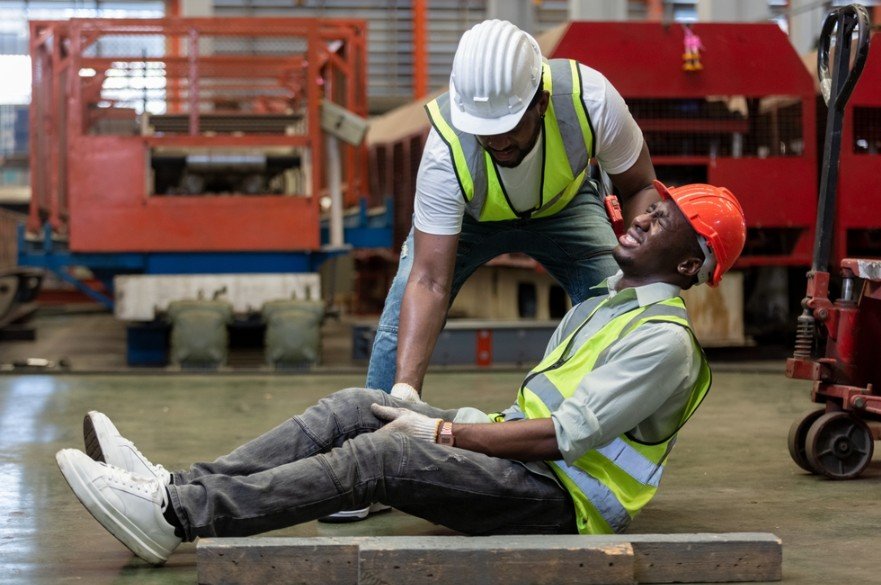
Faulty equipment can turn an ordinary visit to a store, apartment complex, workplace, or public property into a serious accident. Broken carts, unstable shelving, damaged doors, defective lifts, loose handrails, or failing machinery can injure someone before the danger is obvious. Careful claim review looks beyond the injury itself to find out why the equipment failed and who had the power to prevent it.
Preserving the Equipment Before Anyone Repairs or Replaces It
Physical evidence can answer questions that paperwork cannot. Damaged equipment may show a broken weld, worn cable, missing bolt, bent bracket, electrical failure, cracked wheel, or another condition that helps explain how the accident happened. Inspection photos can also reveal missing guards, loose fasteners, or safety stops that failed.
Quick repairs can make that proof disappear. Photographs, video, serial numbers, model information, warning labels, and the equipment’s exact location should be documented before the item is changed when possible. Counsel may also seek preservation of the equipment so an expert can inspect it later instead of relying only on a business’s description.
Was the Problem a Defect, Poor Maintenance, or Something Else?
Equipment can fail for several reasons, and each one may point toward a different responsible party. Design flaws, manufacturing mistakes, skipped inspections, worn parts, or improper repairs can all leave equipment unsafe even when it looks normal from the outside.
Separating those possibilities is an important part of the investigation. Service records, purchase documents, repair invoices, manufacturer instructions, and photographs can help a personal injury attorney determine whether the problem began with the product or developed while the equipment was being used and maintained.
Finding Out Who Controlled the Equipment at the Time
Responsibility does not always stop with the property owner. Retailers may own shopping carts, landlords may control elevators, outside companies may service automatic doors, and vendors may install shelving inside another business.
Contracts can clarify those roles. Someone searching for a personal injury lawyer near me may learn that ownership, maintenance, inspection, and repair duties were divided among several companies. Identifying each party early can prevent important records, witnesses, or insurance coverage from being overlooked. Ownership records may show who bought the equipment and controlled replacement.
Maintenance History Can Reveal a Failure That Built Up Over Time
Routine maintenance records often show whether equipment suddenly broke or had been showing warning signs for weeks. Repeated service calls, temporary fixes, inspection failures, unusual noises, prior jams, or employee complaints may show that the problem was known before the injury.
Missing records can matter as well. Businesses claiming regular equipment checks may face questions if they cannot produce inspection logs for the period surrounding the accident. Local counsel, including a personal injury lawyer in Huntsville AL, can compare written safety policies with actual work orders and maintenance activity to see whether the stated routine was followed.
Warnings and Instructions May Show Whether the Risk Was Preventable
Manufacturers and property operators may use labels, guards, barriers, instructions, or posted notices to reduce known risks. Absence of an expected warning can become important when a danger would not have been clear to an ordinary user.
Placement also affects whether a warning works. Small print, damaged labels, blocked signs, or instructions located away from the equipment may provide little practical protection. Accident attorneys near me may review photographs and manuals to see what users were told and whether the equipment was being used in the way the maker or property operator expected.
Medical Evidence Must Match the Way the Equipment Failed
Mechanics of an equipment accident can help explain the injuries that followed. Collapsing chairs may cause back or hip injuries, falling shelves can strike the head or shoulder, and defective doors may trap a hand or knock someone off balance.
Doctors’ records help connect that event to the physical harm. Emergency notes, imaging, specialist findings, therapy reports, and work restrictions can show whether the diagnosed injuries fit the force and movement involved. Prior medical conditions may also need review if an insurer argues that current symptoms existed before the accident. Comparison records can show whether the failure caused new limits or worsened an older condition.
A Strong Review Connects Technical Proof With Financial Losses
These claims can involve more than one legal theory, especially when a defective product, unsafe property condition, poor maintenance, or negligent repair may have contributed to the same accident. Alabama product-liability law can also become relevant when an unreasonably dangerous product reaches a user and causes physical injury.
Financial records complete the picture. Wage documents can show reduced hours, lost overtime, or limits on normal duties. Bills, future care estimates, missed wages, reduced work ability, and other documented losses show what the equipment failure actually cost the injured person. Attorneys at Wolfe Jones can examine equipment history, service records, manufacturer information, scene evidence, and medical documentation to identify where the failure began. Their personal injury team can then address responsible companies and insurers while building the claim around the technical cause of the accident and the real losses that followed.