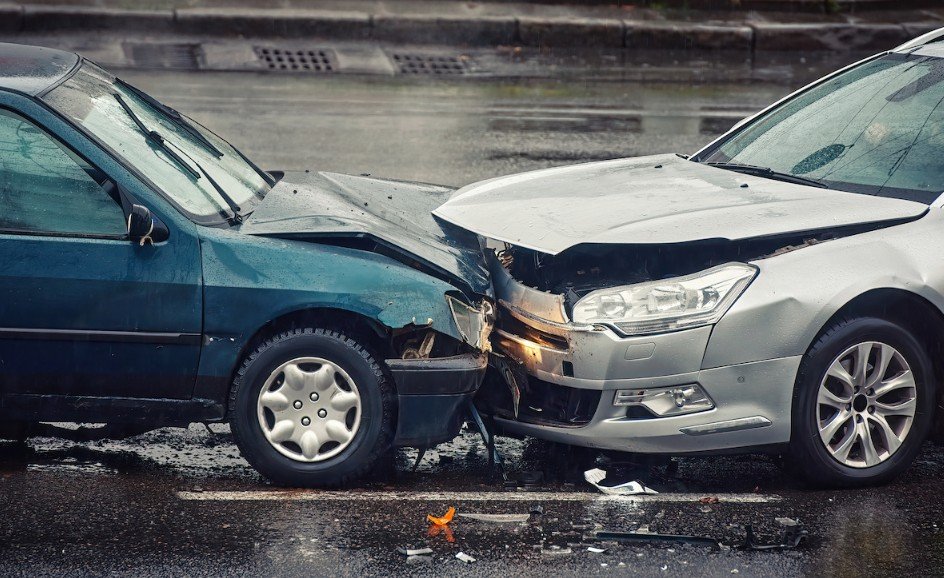
Comparative Negligence in Bicycle Accident Litigation

Comparative Negligence in Bicycle Accident Litigation

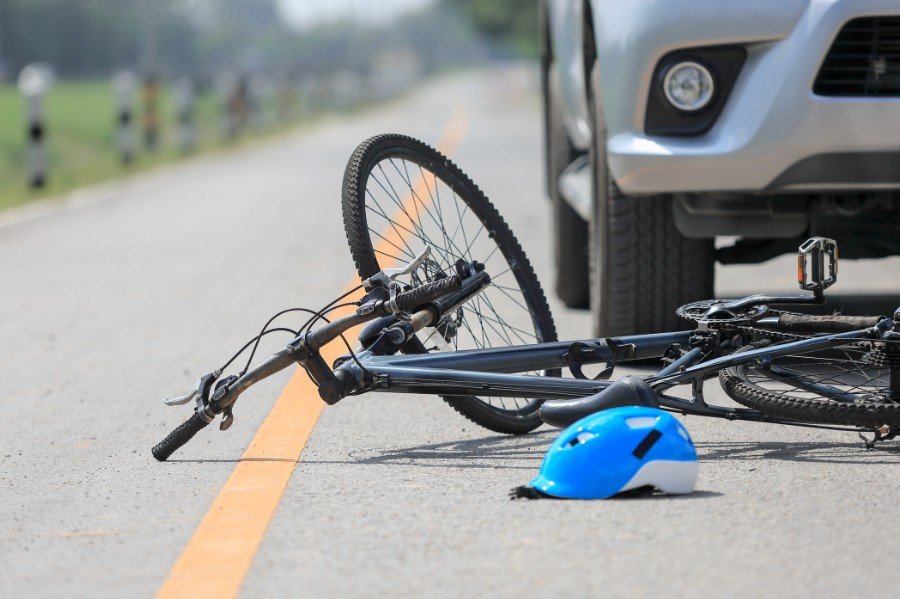
Fault after a cycling collision is not always assigned to one person alone. Comparative negligence allows courts and insurers to examine how the actions of both the driver and cyclist contributed to a bicycle accident. That analysis can directly affect whether an injured rider receives compensation and how much may ultimately be recovered.

Shared Fault Does Not Always End a Bicycle Accident Claim

Comparative negligence applies when more than one party played a role in causing the collision. A driver might turn across a bike lane without yielding while the cyclist rides without proper lighting, for example. Rather than treating responsibility as an all-or-nothing issue, the legal system may assign each person a percentage of fault based on the evidence.

Recovery depends on the rules followed in the state where the bicycle crash occurred. Certain states reduce compensation according to the rider’s assigned percentage, while others prevent recovery once that share reaches a set limit. Because these standards differ, similar bicycle accident cases can produce very different outcomes depending on the governing law.

How Do Fault Percentages Affect Compensation?

Damage awards under a comparative negligence system usually reflect the injured person’s share of responsibility. Suppose a cyclist has $100,000 in proven losses but receives 20 percent of the fault for the bike accident. Under a system that permits recovery at that percentage, the award may be reduced to $80,000.

Calculations become more difficult when the parties disagree about medical costs, future care, lost income, or the rider’s actual conduct. Insurers may argue for a higher fault percentage to reduce what they must pay, even if the driver clearly made a dangerous move. Strong bicycle accident claims therefore need evidence supporting both the value of the losses and the driver’s larger role in causing them.

Insurers Often Focus Closely on the Cyclist’s Conduct

Adjusters commonly examine whether the cyclist obeyed traffic signals, used lights, traveled in the proper direction, signaled a turn, or maintained a visible road position. Questions may also arise about speed, headphones, reflective clothing, lane use, or sudden movement around parked cars. Each detail can become part of an effort to shift responsibility away from the insured driver.

Helmet use may receive attention as well, although it does not usually explain who caused the bicycle accident. Instead, an insurer may argue that the lack of a helmet increased the severity of a head injury. Whether that argument affects compensation depends on local law, medical evidence, and the connection between the missing protection and the specific harm claimed.

Driver Negligence Still Requires a Full Investigation

Motorists owe cyclists the same general duty to use reasonable care that they owe other road users. Speeding, texting, unsafe passing, failure to yield, opening a door into traffic, and turning across an occupied bike lane may all support liability. Even if the cyclist made a mistake, the driver’s conduct may have created the greater danger.

Commercial vehicles can add another layer to bicycle accident litigation. Delivery schedules, driver training, onboard cameras, maintenance records, and company policies may reveal pressure to rush or failures to address known safety problems. Employer responsibility can matter when the driver was performing work duties during the bicycle crash.

Evidence Can Change How Responsibility Is Divided

Photographs may show lane markings, sight obstructions, debris, vehicle positions, or the point of impact. Video from businesses, homes, traffic systems, or dashboard cameras can capture movements that witnesses remember differently. Physical damage to the bicycle and vehicle may also help reconstruction specialists determine direction, speed, and contact location.

Witness statements often provide context that photographs cannot. Bystanders may recall whether the driver signaled, whether the cyclist stopped, or how much time each person had to react. Prompt collection matters because recordings can be erased, roadway conditions may change, and memories can fade before bicycle accident cases reach formal litigation.

Prior Injuries Do Not Automatically Shift Fault

Insurance companies may review an injured cyclist’s medical history and argue that pain came from an earlier condition rather than the bike accident. Preexisting injuries do not excuse a driver from responsibility for making an existing problem worse. Medical records can help distinguish old symptoms from new trauma, increased limitations, or treatment that became necessary only after the collision.

Doctors may explain how impact forces aggravated arthritis, spinal damage, prior fractures, or another condition. Detailed comparisons between the rider’s abilities before and after the bicycle crash can strengthen the connection. Employment records, family observations, and therapy notes may further show how the incident changed daily function.

Settlement Talks Often Turn on Competing Fault Arguments

Early offers may reflect the insurer’s version of responsibility rather than a complete review of the evidence. Adjusters sometimes assign fault before receiving all medical records, video, witness accounts, or expert findings. Accepting that position too soon can leave the injured rider with less compensation than the facts support.

Negotiations should address each claimed mistake separately. A cyclist’s minor traffic violation may have little connection to the actual cause of impact, while the driver’s unsafe turn may have made the collision unavoidable. Clear legal and factual analysis helps prevent unrelated conduct from carrying more weight than it deserves.

Courtroom Decisions Depend on a Clear Account of the Crash

Jurors may hear conflicting versions of how the bicycle accident happened and must decide which evidence is more reliable. Diagrams, photographs, medical testimony, electronic data, and expert analysis can turn a confusing street encounter into an understandable sequence. Consistency across the evidence often matters more than any single statement.

The Lackey Law Firm helps injured cyclists build a clear picture of what caused the collision and how much responsibility belongs to each party. By securing video, speaking with witnesses, reviewing traffic laws and medical evidence, and pushing back against unfair insurance accusations, the firm can strengthen bicycle accident claims and seek compensation that reflects the rider’s actual losses.

Medical Bills Piling Up? Let a Motorcycle Accident Attorney Handle the Burden

Medical Bills Piling Up? Let a Motorcycle Accident Attorney Handle the Burden

Hospital invoices often arrive long before an injured rider understands the full extent of recovery. Emergency transportation, diagnostic testing, surgery, rehabilitation, and specialist visits can generate financial pressure within days of a motorcycle collision. Research consistently shows that serious injuries create lasting economic consequences, making early legal guidance an important consideration when medical expenses begin to escalate.

Emergency Trauma Expenses Often Expand Far Beyond Initial Hospital Admission Charges

Ambulance transportation and emergency room treatment usually represent only the beginning of medical spending after a motorcycle crash. Diagnostic imaging, surgical procedures, trauma consultations, prescription medications, and follow-up appointments frequently continue long after discharge, creating expenses many riders never anticipated when the accident first occurred.

Compounding the problem, providers often bill separately for different services associated with the same treatment event. Trauma surgeons, radiologists, anesthesiologists, rehabilitation specialists, and healthcare facilities may all submit independent invoices, causing medical debt to accumulate rapidly while an injured person is still focused on healing rather than finances.

Specialized Medical Documentation Creates a Foundation for Comprehensive Claim Valuation

Accurate injury documentation plays a significant role in determining the financial value of a claim. Medical records help establish the connection between the collision and the treatment received, while physician evaluations provide insight into future care needs and recovery expectations. Beyond simple billing statements, healthcare records often reveal the broader impact of an injury on daily activities and physical capabilities. Individuals searching for a motorcycle accident attorney near me frequently discover that thorough documentation strengthens negotiations by providing objective evidence of both current and anticipated medical expenses.

Insurance Carrier Review Processes Frequently Challenge High Value Treatment Costs

Insurance companies commonly examine large medical claims with substantial scrutiny. Adjusters may question treatment necessity, dispute procedure costs, or argue that certain conditions existed before the collision occurred. Consequently, disputes over medical expenses can emerge even when injuries appear well documented. Riders researching a motorcycle accident lawyer near me often seek representation because legal professionals understand how to address these challenges and present evidence supporting the legitimacy of accident-related treatment costs.

Future Surgical Interventions and Long-Term Treatment Planning Affect Case Outcomes

Certain injuries do not resolve after a single medical procedure. Orthopedic damage, spinal injuries, neurological complications, and chronic pain conditions may require additional surgeries, specialized care, or extended rehabilitation programs years after the original collision. Future treatment projections can significantly influence claim valuation. Medical experts frequently assist a personal injury attorney by estimating anticipated healthcare costs so settlements reflect not only present expenses but also financial obligations that may continue well into the future.

Income Disruption and Medical Debt Often Create Simultaneous Financial Pressures

Recovery periods can interrupt employment at the exact moment medical expenses are increasing. Missed workdays, reduced earning capacity, and temporary disability may create additional financial strain that extends beyond healthcare costs alone.

Simultaneously, household obligations continue regardless of injury status. Mortgage payments, utilities, transportation expenses, and family responsibilities often remain unchanged, making financial recovery just as important as physical recovery following a serious motorcycle accident.

Rehabilitation Expenditures Commonly Surpass Initial Emergency Care Expectations

Physical therapy frequently becomes one of the longest phases of treatment. Sessions may continue for months while injured riders work to restore strength, mobility, coordination, and function following significant orthopedic or neurological trauma.

Additionally, rehabilitation can involve multiple specialists rather than a single provider. Occupational therapists, pain management physicians, orthopedic surgeons, and rehabilitation centers may all contribute to recovery, generating expenses that exceed what many accident victims initially expect.

Delayed Medical Complications Can Alter the Financial Landscape of a Claim

Certain conditions emerge gradually rather than immediately after a crash. Nerve damage, degenerative joint issues, chronic pain disorders, and post-traumatic complications sometimes develop weeks or months after the accident occurred. Unexpected medical developments can substantially increase treatment costs. For this reason, a personal injury lawyer often evaluates the possibility of delayed complications before encouraging clients to accept settlement offers that may not account for future healthcare needs.

Legal Representation Helps Shift Administrative Burdens Away From Injured Riders

Medical providers, insurance companies, adjusters, and billing departments often generate a steady stream of paperwork and communication requests. Managing those responsibilities while attending appointments and focusing on recovery can become overwhelming for many accident victims.

Professional representation helps coordinate information, organize documentation, and address claim-related issues as they arise. Individuals seeking a personal injury lawyer near me frequently value the ability to focus on recovery while legal counsel handles many of the administrative challenges associated with complex injury claims.

Comprehensive Financial Recovery Requires Attention Beyond Current Medical Statements

Settlement discussions should account for more than invoices already received. Long-term treatment needs, future procedures, rehabilitation costs, diminished earning capacity, and permanent physical limitations may all influence the true financial impact of a motorcycle injury.

Wolfe Jones recognizes that the financial consequences of a motorcycle accident often extend far beyond the first round of medical bills. Individuals seeking a personal injury lawyer in Athens AL may benefit from legal representation that considers both current treatment expenses and the long-term financial challenges associated with serious, life-changing injuries.

Construction Accident Lawyer: What I’ve Learned the Hard Way About These Cases

Construction Accident Lawyer: What I’ve Learned the Hard Way About These Cases

Construction Accident Lawyer: What I’ve Learned the Hard Way About These Cases

I’ve spent a big chunk of my career dealing with construction accident cases, and I’ll be honest, they’re some of the most complex, frustrating, and emotionally heavy cases out there. When people hear “construction accident lawyer,” they usually think it’s just another personal injury niche. It’s not. Construction law sits at the messy intersection of workplace safety, personal injury law, workers’ compensation, and sometimes even product liability, and that mix can get real complicated real fast.

I didn’t fully appreciate that complexity early on. In fact, I underestimated it once, and that mistake still sticks with me.

Why Construction Accident Cases Are Never Simple

Multiple Parties Are Almost Always Involved

One of the first lessons I learned is that construction accident claims almost never involve just one responsible party. On paper, it looks straightforward: a worker gets hurt on a job site. In reality, you might be dealing with a general contractor, two subcontractors, a property owner, an equipment rental company, and sometimes a manufacturer of defective machinery.

I remember a case involving a scaffold collapse where I initially focused only on the subcontractor that assembled it. That was a mistake. Later, it turned out the scaffold planks didn’t meet OSHA load requirements, and the rental company had skipped maintenance inspections. Liability was spread around, and the case value doubled once we figured that out.

As a construction accident lawyer, you have to think wide, not narrow, even when you’re tired or under pressure.

OSHA Rules Matter More Than People Think

OSHA regulations come up in nearly every construction injury case I’ve handled. Falls from heights, trench collapses, electrocution, and struck-by accidents are all tightly regulated, but violations still happen constantly.

I used to think OSHA citations were just background noise. I was wrong. An OSHA violation doesn’t automatically prove negligence, but it can be powerful evidence. Judges and juries pay attention to safety rules that were written to prevent the exact injury that occurred.

Sometimes the safety plan existed on paper only. It was never enforced, and everyone on site knew it. That disconnect matters.

Common Construction Accidents I See Again and Again

Falls From Scaffolds and Ladders

Falls remain the leading cause of serious injuries on construction sites. I’ve seen falls from scaffolding, ladders, roofs, and unprotected edges cause spinal cord injuries, traumatic brain injuries, and death.

One client fell just eight feet from a ladder that wasn’t properly secured. Eight feet doesn’t sound dramatic, but it shattered his heel and ended his ability to do physical labor. That case taught me to never minimize “short falls.”

Falls don’t have to be extreme to be life-changing.

Heavy Equipment and Machinery Accidents

Forklifts, cranes, excavators, and concrete mixers can all cause catastrophic injuries when something goes wrong. Sometimes it’s operator error. Sometimes it’s lack of training. Other times, the machine itself was defective.

I once worked on a case involving a crane cable that snapped due to metal fatigue. Maintenance logs were incomplete, and inspections were rushed. It took months to uncover that paper trail, but it mattered.

Equipment accidents are rarely just “accidents.”

Trench Collapses and Confined Space Injuries

Trench collapse cases still haunt me. When a trench caves in, there’s often very little chance for survival. OSHA has strict shoring and sloping requirements, but shortcuts are taken when deadlines loom.

I handled a case where proper trench boxes were available on-site but weren’t used because they slowed production. That decision cost a worker his life. That kind of thing stays with you.

Workers’ Compensation vs Personal Injury Claims

Understanding the Workers’ Comp Limitation

Many injured workers assume workers’ compensation is their only option. That’s partly true, but not always. Workers’ comp usually bars lawsuits against an employer, but it doesn’t block claims against third parties.

Early in my career, I missed a third-party claim window in a construction injury case. I still regret that. The worker accepted workers’ comp benefits, but we later discovered a negligent subcontractor caused the injury. Timing matters.

Construction accident lawyers need to spot these opportunities early.

When Third-Party Lawsuits Apply

Third-party claims often involve:

  • Subcontractors other than the employer
  • Property owners
  • Equipment manufacturers
  • Safety inspection companies

These claims allow recovery for pain and suffering, which workers’ comp does not. That alone can significantly change a family’s financial future.

Sometimes, workers are told they “can’t sue anyone.” That’s often wrong.

How I Evaluate a Construction Accident Case

Site Investigation Is Critical

I learned quickly that relying on incident reports is risky. Construction sites change fast. Evidence disappears. Equipment gets repaired or moved.

When possible, I push for immediate site inspections. Photos, measurements, and witness statements taken early can make or break a case.

Waiting too long can quietly kill a strong claim.

Witnesses Matter More Than Paperwork

Paperwork can be cleaned up. Witness memories, especially from fellow workers, often tell the real story. I’ve had cases where written reports said one thing, and three workers said another.

Those conversations are uncomfortable sometimes. People worry about retaliation. Building trust is part of the job.

Truth rarely shows up neatly typed.

Damages in Construction Accident Lawsuits

Medical Costs Add Up Fast

Construction injuries are often severe. Surgeries, physical therapy, pain management, and future care planning are common. I’ve seen medical bills exceed $500,000 in less than a year.

Future medical needs must be documented carefully. Underestimating them can be disastrous.

Lost Wages and Earning Capacity

Many injured construction workers can’t return to the same physical job. Even if they can work again, it may be at lower pay.

I’ve worked with vocational experts who break this down in painful detail. Those reports are boring to read, but crucial.

Pain, Suffering, and Loss of Enjoyment

This is the human side. Chronic pain, depression, loss of identity, and strain on families are real damages. Juries understand this when it’s explained honestly.

I’ve learned not to over-dramatize it. Facts speak louder.

Choosing the Right Construction Accident Lawyer

Experience Actually Matters Here

Construction accident law isn’t something you learn overnight. It requires familiarity with safety regulations, site operations, and multiple legal theories.

I’ve seen general personal injury lawyers struggle with these cases. Not because they’re bad lawyers, but because construction cases are different animals.

Ask the Right Questions

People should ask:

  • Have you handled construction site injury cases before?
  • Do you understand OSHA standards?
  • Will you investigate third-party liability?

If the answers are vague, that’s a red flag.

Mistakes I’ve Made and Lessons Learned

Trusting Assumptions Instead of Facts

I’ve assumed safety equipment was provided because someone said it was. Later, it turned out it wasn’t. Now, I verify everything.

Assumptions are dangerous in legal work.

Waiting Too Long to Bring in Experts

Experts cost money, and early on I hesitated to hire them quickly. That hesitation sometimes cost leverage. Now, I bring them in sooner.

It’s worth it.

Why These Cases Still Matter to Me

After decades in this field, construction accident cases still hit hard. These are people who build roads, homes, and cities, and they often work in dangerous conditions to do it.

When corners are cut, real lives are affected. Being a construction accident lawyer isn’t just about lawsuits. It’s about accountability.

I’ve won cases, lost cases, and learned lessons the hard way. If there’s one takeaway, it’s this: construction accidents are rarely unavoidable. Most were preventable, and someone failed to do their job.

That’s why these cases matter, and that’s why I still take them seriously, even after all these years.

Motorcycle Accident Attorney: What I’ve Learned Representing Riders After Life-Changing Crashes

Motorcycle Accident Attorney: What I’ve Learned Representing Riders After Life-Changing Crashes

Motorcycle Accident Attorney: What I’ve Learned Representing Riders After Life-Changing Crashes

I’ve been practicing law long enough to know that motorcycle accident cases are different. Not better, not worse, just different in ways you only understand after sitting across from a rider who can’t lift their arm the way they used to.

When people hear “motorcycle accident attorney,” they usually think of flashy billboards and quick settlements. I used to think that too, honestly. Then I handled my first serious motorcycle crash case, and it completely rewired how I approach these claims.

This section isn’t legal theory. It’s lived experience. Mistakes made, lessons learned, and practical advice for riders and families trying to figure out what comes next.

Why Motorcycle Accident Cases Are Never “Just Another Auto Claim”

Early in my career, I treated a motorcycle accident like a standard car wreck. That was a mistake, and I’ll admit it.

Motorcycle crashes involve different physics, different injuries, and unfortunately different bias. Jurors, insurance adjusters, even some judges carry assumptions about riders, whether they mean to or not.

I learned quickly that motorcycle accident claims require more preparation. The injuries are usually more severe, the medical records thicker, and the insurance companies more aggressive. A low-speed motorcycle crash can cause catastrophic injuries that would barely bruise someone in a car.

One case that sticks with me involved a rider hit at roughly 25 miles per hour. The police report made it sound minor. The injuries were not. Multiple fractures, nerve damage, and a recovery that took years, not months.

That’s when I stopped trusting surface-level reports. Now I dig deep into accident reconstruction, medical imaging, and biomechanical analysis. If you don’t, you lose ground fast.

The Bias Against Motorcyclists Is Real (Even If No One Admits It)

This part frustrates me more than it should, but it’s the truth.

I’ve heard it whispered in conference rooms and implied in settlement calls. “He was probably speeding.” “Motorcycles are dangerous anyway.” “They assume the risk.”

That mindset hurts injured riders, plain and simple. Insurance companies love it because it lets them shift blame without evidence. I’ve seen perfectly lawful riders get assigned 30{8be8478f9864ab4e2b9917a0e54f0a7f197d166e4b653ae6e9c41975bb168b88} or 40{8be8478f9864ab4e2b9917a0e54f0a7f197d166e4b653ae6e9c41975bb168b88} fault just because they were on a bike.

One of my early losses came from underestimating this bias. I thought the facts would speak for themselves. They didn’t.

Now I overcorrect. I bring in helmet data, visibility studies, braking distance charts, and traffic camera footage whenever possible. You have to humanize the rider and deconstruct the stereotypes, step by step.

It’s exhausting, yeah. But it works.

Common Motorcycle Accident Injuries I See (And Why They Matter Legally)

Motorcycle accident injuries aren’t just medical issues. They’re legal leverage points, if handled correctly.

The most common injuries I see include traumatic brain injuries, spinal cord damage, compound fractures, road rash requiring skin grafts, and internal organ injuries. Even with a helmet, concussions and TBIs are common.

One mistake I made early on was underplaying “soft tissue” injuries. Neck pain, nerve damage, chronic back issues. These don’t show up cleanly on X-rays, and insurers love to downplay them.

Now I insist on proper diagnostics. MRIs. EMGs. Neurology consults. If the injury affects daily function, it needs to be documented in a way a jury can understand.

Pain that doesn’t show up on film is still pain. You just have to prove it better.

Why Timing Matters More Than Most Riders Realize

Here’s something I wish more people knew.

Motorcycle accident cases live or die based on early decisions. Waiting too long to call an attorney can seriously damage a claim, even if it’s otherwise strong.

Skid marks fade. Witnesses forget details. Traffic camera footage gets overwritten. I’ve lost evidence simply because someone waited three weeks instead of three days.

I once had a case where a nearby gas station had perfect footage of the crash. By the time the rider contacted me, the footage was gone. That one delay probably cost six figures.

If you’re hurt, focus on healing first, sure. But preserving evidence needs to happen immediately, or it may not happen at all.

Insurance Companies Are Not Neutral (No Matter How Friendly They Sound)

This might sound obvious, but people still fall for it.

Insurance adjusters are trained professionals. They know how to sound helpful while collecting statements that limit liability. I’ve listened to recorded calls where riders unknowingly damaged their own cases in under five minutes.

One client admitted to being “a little shaken but okay.” He wasn’t okay. He needed surgery weeks later. That early statement was used repeatedly to minimize his injuries.

I now tell every rider the same thing. Be polite, but say very little. You are not required to give a recorded statement immediately, no matter what they say.

Silence, in this context, is often smart.

How Fault Is Actually Determined in Motorcycle Accidents

Fault isn’t always obvious, and it’s rarely fair.

Police reports help, but they aren’t gospel. Officers often arrive after the crash, rely on limited information, and may not understand motorcycle dynamics.

I’ve successfully challenged police conclusions multiple times by using accident reconstruction experts. Things like lean angle, braking capability, and road debris patterns matter more than people realize.

Lane-splitting laws, left-turn collisions, and sudden stops create legal gray areas. If your attorney doesn’t understand the nuances, you’re at a disadvantage from the start.

Motorcycle accident law isn’t just traffic law. It’s physics, medicine, and human behavior rolled into one.

The Hidden Cost of Motorcycle Accidents People Forget to Claim

Medical bills are obvious. Lost wages, too.

What people forget are future medical costs, diminished earning capacity, home modifications, and long-term pain management. I’ve seen riders settle early, then struggle years later with expenses they didn’t anticipate.

One client needed periodic nerve blocks for chronic pain. That cost wasn’t included in the original demand. We fixed it before settlement, barely.

Now I work closely with life-care planners and vocational experts. It adds time, but it protects the client long-term.

Short settlements feel good until the money runs out.

Why Motorcycle Accident Attorneys Have to Be Trial-Ready

Here’s a hard truth.

Insurance companies know which attorneys actually go to trial. They track it. If your lawyer never litigates, the offers reflect that.

I used to avoid trial when possible. Not anymore. Once insurers realized I was willing to put cases in front of a jury, settlement values changed. Dramatically.

Motorcycle accident cases especially need trial pressure. Without it, insurers lowball and stall. With it, suddenly there’s room to talk.

Even if a case never reaches court, trial readiness matters. A lot.

Helmet Use, Safety Gear, and How It Affects Your Case

This comes up constantly.

Helmet laws vary by state, and helmet use can affect damages, but it doesn’t erase liability. I’ve seen insurers try to argue that no helmet equals no recovery. That’s simply not accurate.

Failure to wear protective gear might reduce damages under comparative fault rules, but it doesn’t excuse negligent drivers. I’ve fought and won on that point more than once.

Protective gear also helps medically, which indirectly helps legally. Better recovery, clearer documentation, fewer disputes.

I don’t judge riders for their choices. My job is to protect their rights, not lecture them.

What I Look for Before Accepting a Motorcycle Accident Case

This might surprise people.

I don’t take every case. I look for consistency in medical treatment, clear causation, and realistic expectations. Gaps in care and exaggerated claims hurt everyone involved.

Honesty matters more than perfection. I can work with bad facts. I can’t work with dishonesty.

If a rider made a mistake, we deal with it. Pretending otherwise usually backfires.

When a Motorcycle Accident Claim Turns Into a Lawsuit

Most cases settle. Some shouldn’t.

If liability is disputed, injuries are severe, or insurers refuse to act reasonably, litigation becomes necessary. Filing suit isn’t about aggression. It’s about leverage and accountability.

I’ve seen cases turn around after depositions exposed weak defenses. Sometimes it takes formal discovery to reveal the truth.

Lawsuits aren’t fast. They aren’t easy. But sometimes they’re the only way forward.

Final Thoughts From a Motorcycle Accident Attorney Who’s Seen It All

If there’s one thing I’ve learned, it’s this. Motorcycle accident cases are about people, not paperwork. They involve fear, frustration, pride, and loss. Legal strategy matters, but empathy matters just as much. I’ve made mistakes. I’ve underestimated injuries. I’ve trusted insurers too much in the past. Those lessons were costly, but they made me better at this work. If you’re a rider reading this, know that your case deserves careful attention. Not assumptions. Not shortcuts. Just solid, informed advocacy. And if you’re choosing a motorcycle accident attorney, choose someone who understands the road, the bias, and the long-term impact. It makes more difference than most people realize.

Orange Drunk Driving Lawyer: Lessons, Mistakes, and What I Learned the Hard Way

Orange Drunk Driving Lawyer: Lessons, Mistakes, and What I Learned the Hard Way

I’ll be honest with you—nobody wakes up in the morning thinking, “Oh, today’s the day I’ll need a drunk driving lawyer.” But life has a funny way of throwing curveballs. I never imagined I’d be in a courtroom, listening to a judge read out my charges, heart pounding so hard I thought it’d crack my ribs. If you’re reading this because you—or maybe someone close to you—got tangled up in a DUI (driving under the influence) situation in Orange, California, then I get it. I’ve been there.

What I want to share here isn’t just some generic advice you can find on any legal website. This is the raw, hard-earned stuff that I learned while scrambling to find a good Orange drunk driving lawyer, the mistakes I made along the way, and the small victories that eventually helped me put my life back together.

The Morning After: When Reality Hits

The morning after my DUI arrest, I woke up with the worst mix of fear and regret. My car was impounded, my license was gone, and I had a crumpled slip of paper in my pocket telling me when to appear in court. It felt like my entire life was falling apart.

Here’s the first thing I learned: time is not on your side in DUI cases. In Orange County, you only have 10 days to request a DMV hearing. I didn’t know this, and I almost missed the deadline. That hearing decides whether your license gets suspended before your trial even starts. Missing it would’ve meant months of scrambling for rides to work, paying for Ubers, or worse—risking driving without a license (which is a terrible idea, by the way).

Choosing the Right Orange DUI Lawyer (and My Rookie Mistakes)

When I first started looking for a drunk driving lawyer in Orange, I thought they were all the same. I googled “Orange DUI attorney” and just started calling random numbers. Mistake number one.

Here’s what I wish I knew:

  • Not all lawyers specialize in DUI defense. Some take on anything that walks through their door—family law, car accidents, divorces, DUIs. But DUI law is a beast of its own. The breathalyzer machines, the field sobriety tests, the DMV process, the blood alcohol evidence—all of it is super technical. You want someone who lives and breathes DUI defense.
  • Cheap isn’t always cheap. I found a guy who quoted me half of what others did. Sounded like a deal. But during my first consultation, he couldn’t even explain how the DMV hearing worked. That was a red flag. I’d rather pay more for someone who knows the system inside out.
  • Local experience matters. The Orange County courts (Santa Ana, Fullerton, Newport Beach) each have their own way of doing things. Judges and prosecutors get familiar with certain attorneys. When my eventual lawyer walked into the courtroom, I noticed the DA gave a small nod. That tiny moment of recognition made me realize I was in better hands than I’d been before.

The DMV Hearing: My First Reality Check

If you’ve never been to a DMV hearing, let me paint you a picture: it’s not some big, fancy courtroom with a judge in robes. It’s a small office with a DMV officer acting like a judge. Still, the stakes are high—your driver’s license hangs in the balance.

My lawyer showed up prepared with arguments about the breath test calibration and the way the arrest was handled. Honestly, I didn’t understand half of what was being said. But I remember this: the DMV officer paused, flipped through my file again, and asked a few extra questions. That pause saved my license for another month while the case played out in court. Without my lawyer, I would’ve just sat there like a deer in headlights and lost immediately.

Court: Where Nerves and Strategy Collide

Walking into the Orange County Superior Court for my first appearance was intimidating. Everyone looked stressed—people clutching papers, lawyers hustling between cases, the smell of stale coffee in the air.

This is where having a good DUI lawyer makes all the difference. Mine explained what was happening step by step, which honestly calmed me down. He told me, “Most DUI cases don’t go to trial. They’re about negotiation, paperwork, and making sure the police followed the rules.” That stuck with me.

We challenged the breathalyzer results, pointing out that the machine hadn’t been calibrated properly according to state guidelines. That little detail—something I never would’ve caught on my own—ended up being one of the strongest pieces of my defense.

Lessons I Learned (the Hard Way)

Looking back, there are a few lessons that stand out:

  1. Don’t delay hiring a lawyer. Every day you wait, evidence gets older and deadlines creep closer. I waited almost two weeks, which nearly cost me.
  2. Tell your lawyer everything. I was embarrassed to admit how many drinks I had that night, so I sugarcoated it at first. That was dumb. They can’t help you properly if you’re hiding facts.
  3. The system is stacked against you. I thought maybe the officer would cut me a break or the DA would go easy. Nope. The prosecution wants convictions, and the DMV wants suspensions. Your lawyer is literally the only one on your side.
  4. Life moves on. At first, I thought my life was ruined forever. But after fines, classes, and a lot of stress, I got through it. Having a DUI on your record is no joke, but it’s not the end of the road either.

A Tangent About DUI Classes (And Why They’re Brutal but Useful)

After my conviction, I had to attend a mandatory DUI program. At first, I rolled my eyes. I thought it’d just be sitting in a classroom half-asleep. Nope. They made us write about our drinking habits, talk in groups, and even share stories about how alcohol had wrecked lives.

It was uncomfortable. Sometimes, downright painful. But it was also a wake-up call. I met people who’d lost jobs, families, even loved ones because of drunk driving. Compared to them, my situation felt like a warning shot, not a tragedy.

Why Hiring Locally in Orange Matters

One thing I noticed—having a lawyer based in Orange, who knew the Orange County court system, made my case smoother. They knew the prosecutors by name. They knew which judges leaned harsher and which ones gave breaks to first-time offenders.

It’s like hiring a guide for a jungle. Sure, you could try to machete your own path, but wouldn’t you rather follow someone who knows the trails?

Final Thoughts: Don’t Make My Mistakes

If you’re facing a DUI in Orange, here’s my biggest piece of advice: don’t try to go it alone. Even if you think the case is “simple” or that you were “barely over the limit,” the system isn’t designed to make things easy for you.

Finding the right Orange drunk driving lawyer was the turning point in my mess. It didn’t erase what happened, but it gave me a fighting chance. I still had fines, classes, and stress to deal with—but I didn’t lose everything.

Looking back, I realize that my DUI could’ve been the thing that wrecked my life permanently. Instead, it became a really hard, really expensive lesson that forced me to grow up and take responsibility.

So if you’re in that scary spot right now—heart racing, wondering what’s next—know this: you’re not the first, and you won’t be the last. Get help, get a lawyer, and don’t let one mistake define the rest of your story.

SEO-Optimized FAQ About Orange Drunk Driving Lawyers

  1. How much does a DUI lawyer cost in Orange, CA?
    Most Orange DUI lawyers charge between $2,500 and $5,000 for a first-time DUI case. Complex cases or trials can cost significantly more.
  2. Can a DUI lawyer help me keep my license?
    Yes. A DUI attorney can request a DMV hearing within 10 days of your arrest and fight to prevent your license from being suspended.
  3. What happens if I don’t hire a lawyer for my DUI case?
    You can represent yourself, but you’ll be up against trained prosecutors and strict DMV deadlines. Without legal help, you’re more likely to lose your license and face harsher penalties.
  4. Do Orange DUI lawyers know the local courts?
    Yes. Local DUI attorneys are familiar with the Orange County court system, judges, and prosecutors, which often helps in negotiations and plea deals.
  5. Can a DUI be reduced in Orange County?
    In some cases, yes. An attorney may be able to negotiate a “wet reckless” or reduced charge depending on the evidence and circumstances.

Common Types of Personal Injury Cases in Carrollwood FL 

Common Types of Personal Injury Cases in Carrollwood FL 

Accidents happen when we least expect them, and when they do, the impact can be life-changing. If you or a loved one has been hurt due to someone else’s negligence in Carrollwood, FL, understanding the different types of personal injury cases can help you take the right steps toward justice. At Kearney Law, we’re here to guide you through the process with care and expertise.

Personal injury cases cover a broad range of incidents where someone suffers harm because of another party’s actions—or lack thereof. In Carrollwood, some types of personal injury cases are more common due to the area’s unique mix of busy roads, residential neighborhoods, and local businesses.

One of the most frequent personal injury cases we handle involves car accidents. With Florida’s busy highways and local roads, collisions—whether minor fender benders or serious crashes—are unfortunately all too common. Injuries can range from whiplash and broken bones to more severe trauma, and navigating insurance claims or legal responsibilities can be complicated without the right help.

Another typical area of personal injury cases includes slip and fall accidents. Whether it’s a wet floor in a grocery store or uneven sidewalks in a neighborhood, property owners have a duty to keep their premises safe. When they fail, and someone gets hurt, it’s often grounds for a personal injury claim.

Medical malpractice is also a significant category. Mistakes or negligence by healthcare providers can lead to devastating consequences. If you believe your injury stems from improper medical care, legal advice is crucial to protect your rights.

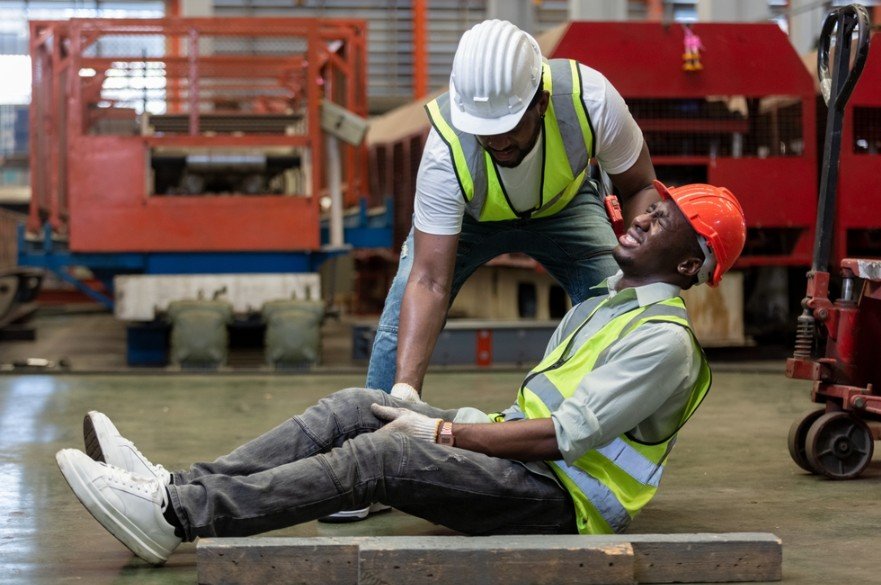
Additionally, workplace injuries in Carrollwood are a common issue, especially in construction and service industries. These cases often involve navigating both workers’ compensation laws and personal injury claims to ensure you get the compensation you deserve.

Finally, product liability cases arise when faulty or dangerous products cause harm. From defective vehicles to unsafe household items, manufacturers and sellers can be held responsible.

If you’re facing any of these situations, Kearney Law understands how overwhelming it can be. We’re committed to helping Carrollwood residents get fair compensation for their injuries and move forward with confidence.

Remember, not all injuries are the same, and each personal injury case is unique. If you’re unsure about your situation or need help understanding your options, reach out to Kearney Law today. Your well-being and peace of mind are our top priorities.

This post was written by a professional at Kearney Law. At Kearney Law, we’re dedicated to delivering personalized legal guidance that puts your needs first. Whether you’re looking for Personal Injury Attorneys in Carrollwood FL, a real estate attorney near you, a probate attorney near you, or a title attorney near you, our team is ready to provide the focused representation you deserve. We recognize that every client’s situation is different, which is why we take the time to understand your case and craft strategies that align with your goals. With a commitment to protecting your rights and securing the best possible outcome, Kearney Law offers trusted legal support with the attention and care you won’t find just anywhere.